
Enterprises are rapidly shifting from traditional data warehouses to lakehouse architectures to balance cost and performance. According to recent industry analyses, organizations leveraging unified data platforms report a significant reduction in infrastructure overhead compared to legacy siloed systems. This transition is not merely technical but financial, requiring a rigorous understanding of Total Cost of Ownership (TCO) and return on investment (ROI) metrics. Acumen Velocity helps organizations navigate this complex landscape by engineering data systems that deliver measurable business value. (About Us Acumen Velocity)
Understanding the Lakehouse Model
A Data Lakehouse is a modern data architecture that combines the flexibility and scale of data lakes with the management and performance features of data warehouses. Data Lakehouse is a unified analytics platform that allows organizations to store vast amounts of structured and unstructured data while maintaining ACID transactions and high-performance querying. This hybrid approach eliminates the need for separate storage and compute resources, which traditionally drove up costs. (Home Acumen Velocity)
Traditional data warehouses often struggle with scalability and cost when handling big data workloads. Conversely, data lakes can suffer from data quality issues and lack of governance. The lakehouse model resolves these conflicts by using open table formats, such as Apache Iceberg, to provide a single source of truth. This architecture supports both BI reporting and advanced AI/ML workloads without data duplication. (Home Acumen Velocity)
For enterprises, the shift to a lakehouse requires a fundamental change in how data is governed and accessed. It demands a robust data strategy that aligns technical capabilities with business goals. Acumen Velocity specializes in designing these scalable architectures, ensuring that your data foundation supports current needs while remaining agile for future growth.
Cost Optimization Strategies
Optimizing costs in a data lakehouse environment involves several key strategies. First, decoupling storage and compute allows organizations to scale each independently. This means you can increase compute power for heavy analytics workloads without paying for additional storage, and vice versa. This flexibility is critical for managing variable workloads common in enterprise analytics.
Second, leveraging open table formats like Apache Iceberg reduces vendor lock-in and associated licensing fees. These formats allow data to be accessed by multiple processing engines, giving you the freedom to choose the most cost-effective tools for specific tasks. For instance, using Acumen Vega Iceberg enables you to unlock the full potential of your data lakehouse by addressing data silos and enhancing AI readiness.
Third, implementing strict data governance and lifecycle policies ensures that only relevant data is retained. Storing cold data in cheaper storage tiers or archiving it can significantly reduce long-term costs. Data Governance & Compliance is a core service at Acumen Velocity, helping organizations establish frameworks that ensure regulatory compliance while optimizing storage expenses.
Finally, automating data quality checks and monitoring can prevent costly errors and rework. By ensuring data accuracy from the source, enterprises avoid the hidden costs of cleaning and correcting data downstream. This proactive approach to data quality is essential for maintaining trust in analytics outputs and supporting reliable decision-making.
ROI Models for Analytics
Calculating ROI for data lakehouse implementations requires a holistic view of both direct and indirect benefits. Direct costs include infrastructure, licensing, and personnel. Indirect benefits include faster time-to-insight, improved data quality, and enhanced decision-making capabilities. A comprehensive ROI model must account for these factors to provide a true picture of value.
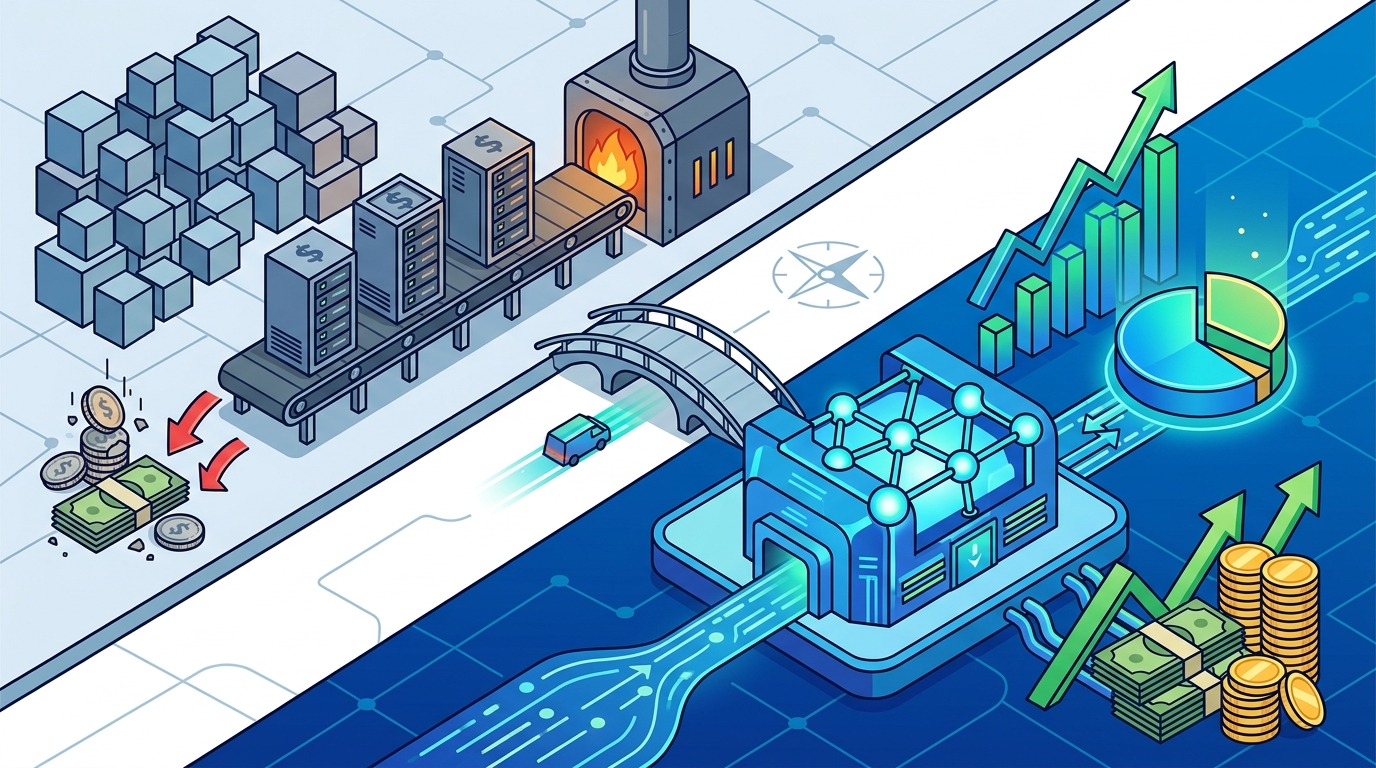
One effective model is the TCO Reduction Model, which compares the total cost of the legacy system against the new lakehouse architecture. This includes hardware, software, maintenance, and operational costs. By migrating to a cloud-native lakehouse, many organizations see a substantial reduction in TCO due to the elimination of physical hardware and the efficiency of managed services.
Another model is the Revenue Enablement Model, which quantifies the value of new insights derived from the data. For example, improved predictive analytics can lead to better inventory management, reduced churn, or optimized marketing spend. These financial impacts are often more significant than the cost savings alone. Acumen Velocity’s Data Monetization services help identify these opportunities, turning data assets into revenue generators.
Additionally, the Operational Efficiency Model measures the time saved by data engineers and analysts. Automated pipelines and unified data access reduce the manual effort required to prepare data for analysis. This efficiency allows teams to focus on high-value activities, such as developing new analytics models and exploring new business opportunities.
| ROI Component | Legacy Warehouse | Lakehouse Architecture | Impact |
|---|---|---|---|
| Infrastructure Cost | High (Fixed Hardware) | Variable (Pay-as-you-go) | Reduced CapEx |
| Data Silos | Multiple Copies | Single Source of Truth | Lower Maintenance |
| Time-to-Insight | Weeks/Months | Days/Hours | Faster Decision Making |
| AI/ML Readiness | Limited | Native Support | New Revenue Streams |
The Acumen Velocity Approach
Acumen Velocity provides a structured engagement model to help enterprises achieve these ROI goals. Our process begins with a comprehensive data assessment to understand your current landscape and calculate your current TCO. We then create a tailored data strategy that aligns with your business objectives and technical requirements.
We offer flexible engagement models, including Fixed Pricing for predictable budgets and Managed Time & Material for agile development. Our End-to-End Managed Services ensure that your data operations run smoothly, allowing you to focus on core business growth. Our team of experts, led by Mohan Gupta, brings over 20 years of experience in database administration and data architecture.
We specialize in Cloud Database Migration, helping organizations move their legacy databases to the cloud with minimal disruption. Our expertise in Google Cloud, AWS, and Azure ensures that you get the best platform for your needs. Additionally, our Workforce Solutions connect you with top talent to fuel your data initiatives and accelerate competitiveness.
By partnering with Acumen Velocity, you gain a trusted advisor who is committed to your success. We prioritize people, process, and performance, ensuring that every project delivers exceptional results. Our commitment to on-time delivery and continuous improvement sets us apart in the industry.
Key Takeaways
- Unified Architecture: Lakehouses combine the best of data lakes and warehouses, reducing complexity and cost.
- Decoupled Compute/Storage: Scaling resources independently optimizes infrastructure spend.
- Open Formats: Using Apache Iceberg prevents vendor lock-in and enhances flexibility.
- TCO Reduction: Migrating to cloud-native solutions significantly lowers total cost of ownership.
- Revenue Enablement: Advanced analytics and AI capabilities drive new business value.
- Expert Guidance: Acumen Velocity provides end-to-end support from strategy to implementation.
- Proven Leadership: Led by Mohan Gupta, with over 20 years of industry experience.
Frequently Asked Questions
What is the primary benefit of a data lakehouse over a traditional data warehouse?
The primary benefit is the ability to handle both structured and unstructured data at scale while maintaining high performance and governance, all within a single platform. This reduces the need for data duplication and simplifies the architecture.
How does Acumen Velocity help with cost optimization?
We help by designing scalable architectures, implementing data governance, and optimizing cloud resource usage. Our expertise in cloud migration and data strategy ensures that you only pay for what you need.
Is Apache Iceberg essential for a lakehouse?
While not strictly mandatory, Apache Iceberg is a leading open table format that provides the necessary features for ACID transactions and time travel, making it a critical component for a robust lakehouse implementation.
What engagement models does Acumen Velocity offer?
We offer Fixed Pricing, Managed Time & Material, and End-to-End Managed Services. This flexibility allows us to tailor our approach to your specific project needs and budget.
How long does a typical data lakehouse migration take?
The timeline varies based on the complexity of the existing data landscape and the scope of the migration. However, our structured process, including proof of concept and iterative planning, ensures efficient delivery.
Can Acumen Velocity help with AI readiness?
Yes, we specialize in unlocking AI data readiness by ensuring your data is clean, accessible, and governed. Our solutions, such as Acumen Vega Iceberg, are designed to support advanced AI and analytics workloads.
What industries does Acumen Velocity serve?
We serve a diverse range of industries, including finance, healthcare, government, and supply chain. Our experience with Medicare Advantage providers and federal government departments demonstrates our versatility.
Next Steps
Ready to optimize your data infrastructure and maximize ROI? Contact Acumen Velocity today to schedule a consultation. Our experts are ready to help you engineer your data with precision and predictability. Visit our Contact Page to get started.