
Common Pitfalls in Custom Legacy Database Cloud Migration and Prevention Strategies
Legacy database migration is one of the most critical infrastructure transitions an enterprise can undertake. According to recent industry analyses, over 70% of cloud migration projects fail to meet their initial objectives due to poor planning and technical debt. This statistic highlights a critical reality: moving data is not merely a technical lift. It is a strategic overhaul that demands rigorous assessment, precise execution, and continuous governance. Organizations that ignore the nuanced challenges of legacy systems often face prolonged downtime, data integrity loss, and budget overruns that derail their digital transformation goals. (About Us Acumen Velocity)
Understanding the Legacy Challenge
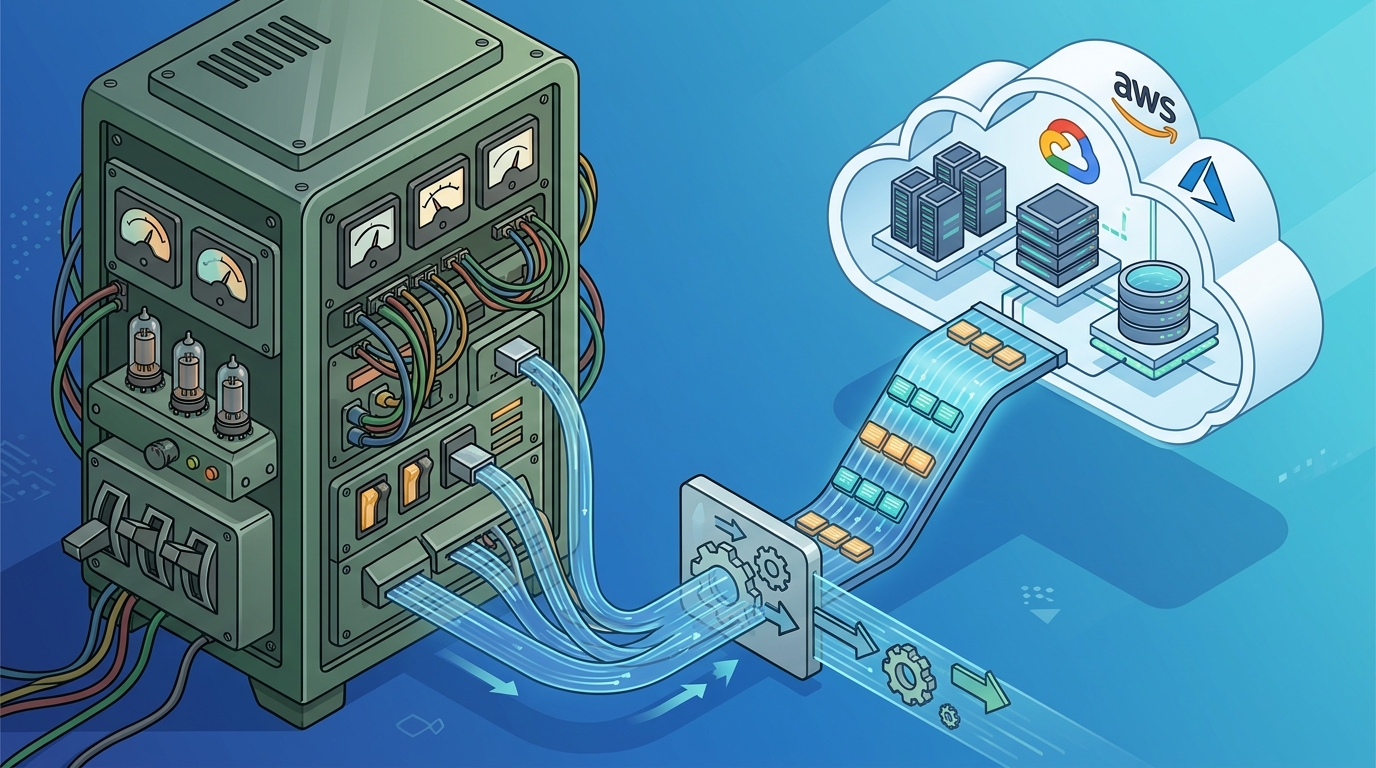
Legacy databases are the backbone of many established enterprises. They store decades of transactional history, customer records, and operational logic. However, these systems were often built for on-premises hardware with specific performance characteristics. When organizations attempt to lift and shift these databases to the cloud, they encounter architectural mismatches. The cloud offers scalability and elasticity, but legacy schemas are rarely designed for distributed environments. This disconnect creates a perfect storm for technical failure if not addressed through a structured data strategy.
Data Strategy is the process of aligning data assets with business goals to drive value. Without a clear strategy, migration becomes a reactive exercise rather than a proactive transformation. Acumen Velocity specializes in helping organizations navigate this complexity by providing robust data strategy consulting and architecture design.
Pitfall 1: Inadequate Pre-Migration Assessment
The most common error in cloud migration is skipping the comprehensive assessment phase. Many organizations assume that their legacy database can be moved directly to a cloud instance without modification. This assumption ignores the differences in storage engines, query optimizers, and network latency between on-premises and cloud environments. A thorough data assessment is required to identify technical debt, orphaned tables, and inefficient queries that will perform poorly in the cloud.
According to a 2024 report by Forrester Research, companies that skip detailed discovery phases experience 40% higher project failure rates. The assessment phase must include a calculation of the current Total Cost of Ownership (TCO) to establish a baseline. This baseline allows you to compare the proposed cloud architecture against your existing infrastructure costs accurately.
Acumen Velocity’s process begins with assessing the current landscape. We perform a deep data assessment to calculate the current TCO and create a data strategy that aligns with your business objectives. This ensures that the migration is not just a technical move, but a business enabler.
Pitfall 2: Ignoring Data Silos and Quality
Legacy systems often contain fragmented data silos. These silos exist because different departments have used different databases over the years. When migrating to the cloud, simply moving these silos does not solve the underlying problem. In fact, it can exacerbate data inconsistency and reduce the value of your analytics capabilities. Data silos limit AI and analytics potential because the data is not unified or accessible for cross-functional insights.
Data Architecture & Integration involves designing scalable and efficient data architectures that integrate data from various sources into a unified view. To prevent this pitfall, organizations should consider a data lakehouse approach. This architecture combines the flexibility of data lakes with the management features of data warehouses. Acumen Vega Iceberg is a solution that unlocks AI’s full potential by breaking down these silos and providing a unified data foundation.
Furthermore, data quality must be addressed before migration. Migrating bad data to the cloud only accelerates the spread of inaccuracies. Implementing data governance frameworks ensures that data quality standards are maintained throughout the migration process. This includes establishing clear ownership, defining metadata standards, and implementing automated quality checks.
Pitfall 3: Neglecting Security and Compliance
Security is a paramount concern during any cloud migration. Legacy databases often have outdated security protocols that are incompatible with modern cloud security standards. Additionally, regulatory requirements such as HIPAA, GDPR, or SOC 2 must be strictly adhered to. Neglecting these requirements can lead to severe legal penalties and reputational damage.
Data Governance & Compliance is essential for establishing frameworks that ensure regulatory adherence. For healthcare organizations, FHIR Implementation is critical for managing PHI and PII securely. Acumen Velocity offers specialized FHIR implementation services that unlock the power of AI for healthcare while maintaining strict security protocols.
According to a 2025 study by IBM Security, the average cost of a data breach has reached $4.88 million. This figure underscores the financial risk of inadequate security planning. During migration, it is crucial to implement encryption at rest and in transit, manage access controls rigorously, and conduct regular security audits. Quality Assurance & Security services ensure the integrity and reliability of your systems throughout this transition.
Pitfall 4: Cost Oversight and TCO Miscalculation
Cloud costs can spiral out of control if not managed carefully. Legacy databases are often optimized for fixed hardware resources. In the cloud, pay-as-you-go models can lead to unexpected expenses if the workload is not properly optimized. Organizations often underestimate the cost of data egress, storage tiering, and compute scaling.
Cloud Database Migration requires a custom approach to ensure cost efficiency. Acumen Velocity provides Custom Cloud Migration Solutions that include a detailed TCO analysis for the proposed architecture. This analysis helps you understand the financial implications of different cloud providers and service tiers. By presenting the TCO for the proposed architecture, you can make informed decisions that align with your budget constraints.
Additionally, consider the long-term operational costs. Managed services can help keep your operations running smoothly, allowing you to focus on growth rather than infrastructure maintenance. Acumen Velocity offers End-to-End Managed Services that provide proactive, seamless support for your cloud environment.
Prevention Strategies for Success
To successfully navigate the complexities of legacy database cloud migration, organizations must adopt a structured approach. The following strategies are essential for minimizing risks and maximizing value.
1. Adopt a Phased Migration Approach
Rather than attempting a big-bang migration, adopt a phased approach. This allows you to test and validate each stage of the migration. Implementing a Proof Of Concept (PoC) is a critical step in this process. A PoC helps you identify technical challenges early and refine your migration strategy. Acumen Velocity’s process includes implementing a PoC to ensure the proposed solution meets your requirements.
2. Leverage Modern Data Stack Technologies
The modern data stack offers powerful tools for simplifying data management. Technologies like Apache Iceberg, Delta Lake, and cloud-native data warehouses provide scalability and performance benefits. Simplifying the modern data stack allows organizations to build a flexible and resilient data infrastructure. Acumen Velocity’s insights on simplifying the modern data stack provide valuable guidance on selecting the right technologies for your needs.
3. Prioritize Data Monetization
Migration is an opportunity to unlock new value from your data. Data Monetization involves identifying opportunities to monetize data assets. By cleaning and integrating your data during migration, you can enable advanced analytics and AI-driven insights. This can lead to new revenue streams and improved decision-making capabilities. Acumen Velocity’s Data Monetization services help you identify and capitalize on these opportunities.
4. Invest in Workforce Solutions
Technical skills are often a bottleneck in cloud migration. Connecting top talent with organizations like yours can fuel agility and accelerate growth. Workforce Solutions ensure that you have the right people to manage your new cloud infrastructure. Acumen Velocity offers Workforce Solutions that connect you with experienced data architects and engineers.
Key Takeaways
- Inadequate assessment is the primary cause of migration failure. Always perform a comprehensive data assessment and TCO calculation before starting.
- Data silos hinder analytics and AI potential. Use a data lakehouse architecture to unify your data and unlock insights.
- Security and compliance are non-negotiable. Implement robust data governance frameworks and adhere to regulatory standards like HIPAA and GDPR.
- Cost oversight can derail projects. Conduct a detailed TCO analysis and consider managed services to control long-term expenses.
- Phased migration reduces risk. Implement a Proof Of Concept to validate your strategy before full-scale deployment.
- Modern data stack technologies offer significant benefits. Leverage tools like Apache Iceberg for scalability and performance.
- Data monetization is a key outcome. Clean and integrate data to enable advanced analytics and new revenue streams.
Frequently Asked Questions
What is the most common pitfall in legacy database cloud migration?
The most common pitfall is inadequate pre-migration assessment. Organizations often fail to identify technical debt, data silos, and security vulnerabilities, leading to project failure and cost overruns.
How can I prevent data silos during cloud migration?
You can prevent data silos by adopting a data lakehouse architecture. This approach unifies structured and unstructured data, enabling better analytics and AI capabilities. Acumen Vega Iceberg is a solution that helps break down these silos.
What is the role of data governance in cloud migration?
Data governance ensures that data quality, security, and compliance standards are maintained throughout the migration process. It involves establishing frameworks for data ownership, metadata management, and regulatory adherence.
How does Acumen Velocity help with cloud migration?
Acumen Velocity provides end-to-end cloud migration services, including data strategy consulting, architecture design, and managed services. We help organizations calculate TCO, implement proofs of concept, and ensure seamless transition to the cloud.
What is the cost of cloud database migration?
The cost varies based on the complexity of the legacy system, the volume of data, and the chosen cloud provider. Acumen Velocity offers custom cloud migration solutions with detailed TCO analysis to help you budget accurately.
Why is a Proof Of Concept important in migration?
A Proof Of Concept allows you to test the migration strategy in a controlled environment. It helps identify technical challenges early and validates that the proposed solution meets your business requirements.
How can I monetize my data after migration?
You can monetize your data by cleaning and integrating it to enable advanced analytics and AI-driven insights. This can lead to new revenue streams and improved decision-making capabilities. Acumen Velocity’s Data Monetization services can help you identify these opportunities.
Partner with Acumen Velocity for Your Migration
Legacy database cloud migration is a complex journey that requires expertise, precision, and a strategic mindset. At Acumen Velocity, we empower your data with AI and transform insights into action. Our team of experienced data architects and engineers is dedicated to helping you navigate the challenges of migration and unlock the full potential of your data.
Whether you need data strategy consulting, cloud database migration, or managed services, Acumen Velocity is your trusted partner. We offer fixed pricing, managed time & material, and end-to-end managed services to suit your needs. Contact us now for your data readiness and start your journey toward a successful cloud transformation.
Visit our Contact page to schedule a consultation with our experts. Let us help you engineer your data with precision and predictability.